The MadeByHer Journal
Bihar's Handmade Heritage: Madhubani Art, Sujni and Thekua Explained
Bihar's craft and food traditions rarely get the spotlight nationally the way some other states' handicrafts do, but three in particular have real depth behind them: Madhubani painting, sujni embroidery, and thekua. Here's what each actually is, in plain terms.
Madhubani art
Madhubani (also called Mithila) painting originated in the Mithila region of Bihar, traditionally done by women on the walls and floors of homes for festivals and special occasions before it moved onto paper and cloth for sale. It's recognisable by its bold outlines, geometric patterns, and use of natural dyes and pigments in the traditional form — figures from nature and mythology rendered in a distinctive flat, decorative style. When you see it done well, the line work is confident and repetitive in a way that's genuinely difficult to fake quickly.
Sujni embroidery
Sujni is a running-stitch embroidery tradition from the Bhusura/Muzaffarpur area of Bihar, historically used to make quilts from old cloth layered and stitched together — practical, not decorative, in its origins. It's since become recognised as a craft in its own right, often depicting rural life, folk stories, or social themes in stitched panels. Genuine sujni work involves many hours of hand-stitching in small, even running stitches — it's slow, deliberate work, and that's reflected in the price of an authentic piece.
Thekua
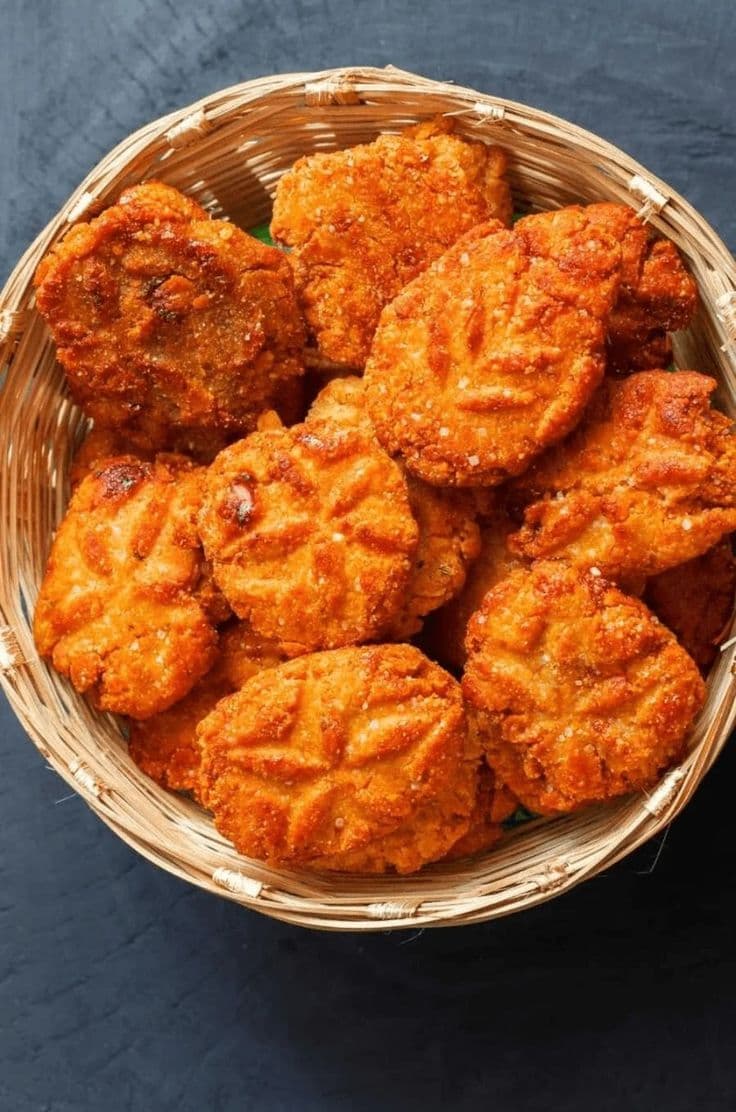
Covered in more depth in our guide to homemade thekua, thekua is a deep-fried wheat and jaggery snack central to Chhath Puja, traditionally made in Bihari home kitchens using methods passed down within families rather than commercial recipes.
What connects all three
Each of these is slow, hand-done work rooted in a specific place, made by people — overwhelmingly women — continuing a tradition rather than following a trend. That's exactly the gap MadeByHer's Bihar Specials collection is built to close: real pieces from Bihar-based sellers, not imitations produced elsewhere and labelled with the name for marketing purposes.
If you're new to any of these traditions, buying directly from a seller who makes it the traditional way — and can tell you about her process — is both a better gift and a small way of keeping the actual craft, not just the aesthetic, alive.
Every piece here is made by a real woman running her own small business.
Shop the marketplace →